
Support
& Care tips
Have a question?
Feel free to check our FAQs
Full Care Guide
Understand the material, care for the surface, and keep your mat performing at its best.
Understanding the material is key to caring for it properly. We’ll also cover what many manufacturers leave out—common mistakes, what to avoid, and practical tips that can make a real difference in your mat’s performance and lifespan.
What Is Diatomaceous Earth?
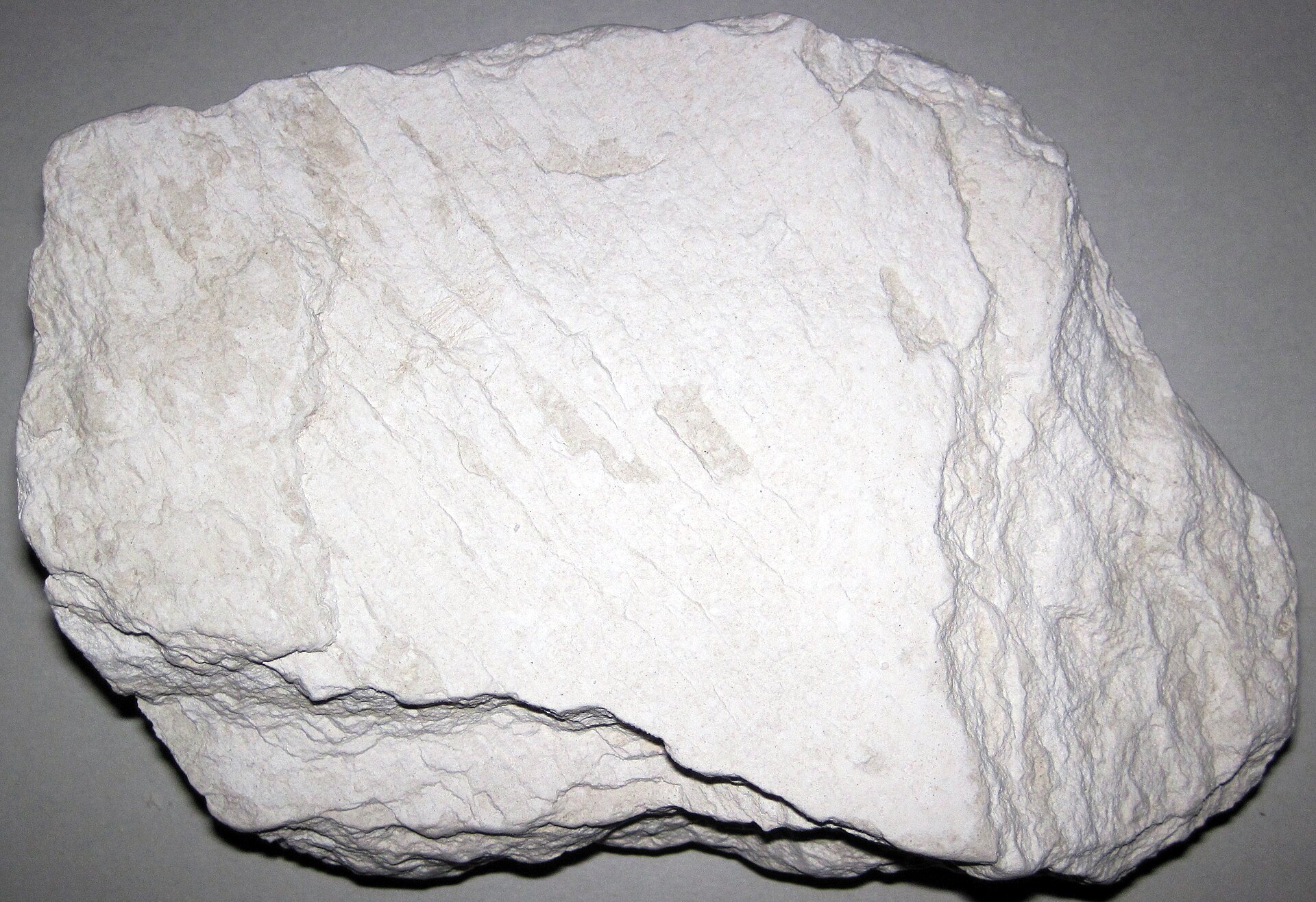
A diatomite mat is a naturally absorbent drying surface made from diatomaceous earth—the fossilized remains of microscopic aquatic organisms. Millions of microscopic pores absorb moisture on contact and allow it to evaporate quickly, rather than remaining trapped in fabric or pooling on your countertop. This makes diatomite a clean, fast-drying, and low-maintenance alternative to traditional drying mats, helping keep your kitchen drier and more hygienic.
Quick Care Essentials
1
Wipe or rinse after use
2
Use mild soap when needed
3
Let the mat air-dry completely
4
Wet-sand only when necessary
How to Clean a Stone Drying Mat
1. Light Cleaning — Water & Cloth
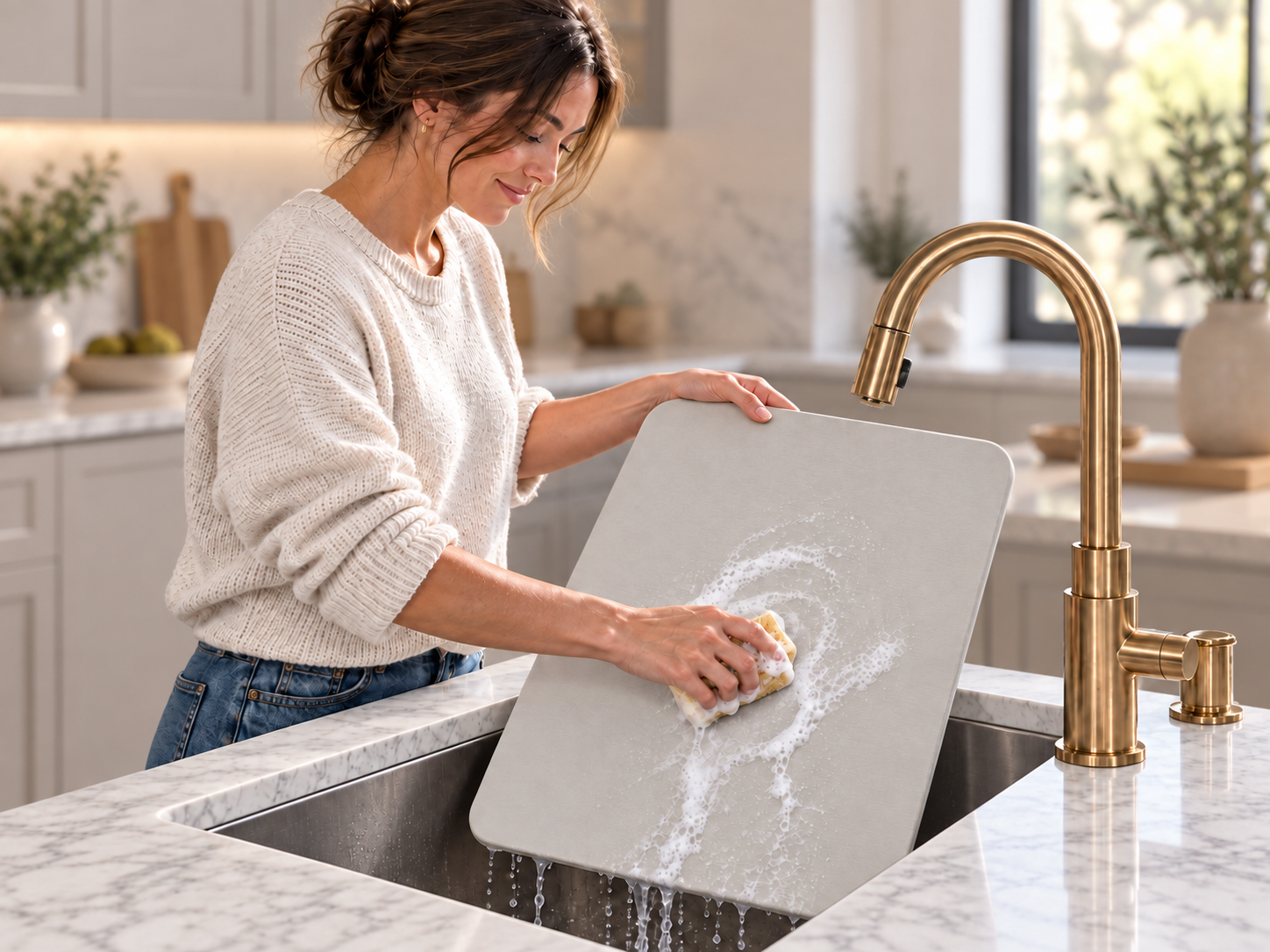
Rinse the mat under running water and clean it using a sponge or soft brush together with mild, non-aggressive cleaning agents. For a deeper clean, lightly refresh the surface with fine-grit sandpaper.
2. Regular Cleaning — Mild Soap & Sponge
For more noticeable residue or buildup, apply a small drop of mild dish soap to a sponge and gently clean the surface. Rinse the mat thoroughly with clean water to remove any soap residue, then wipe it dry and allow it to air-dry completely.
3. Surface Refresh — Sandpaper
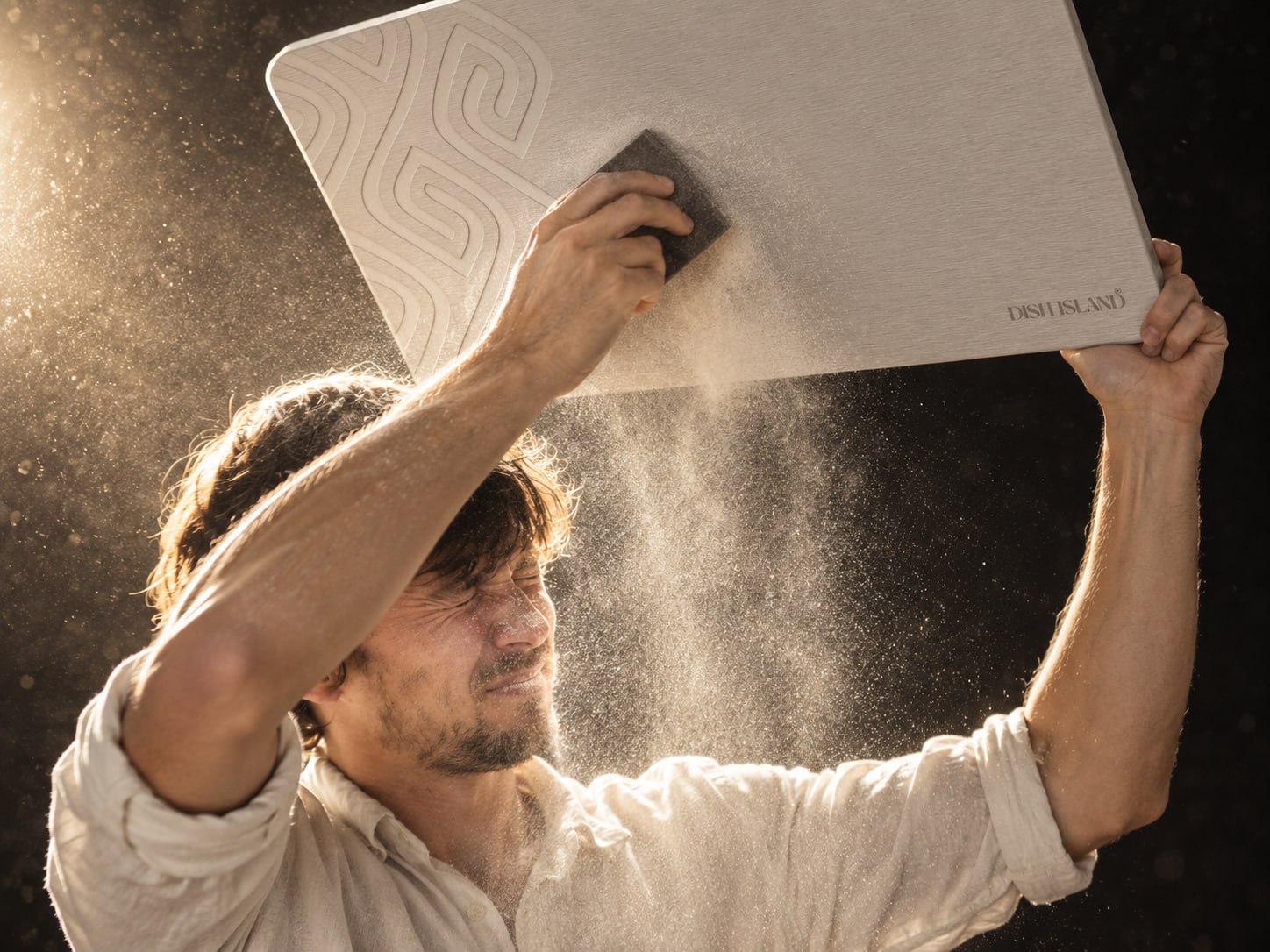
If the surface becomes noticeably less absorbent or develops persistent stains that regular cleaning cannot remove, lightly wet the mat surface or the sandpaper, then gently sand the affected area using 320–400 grit sandpaper.
Diatomite Stone Material Guidance & Properties
Drops & Impact
Diatomite is a highly porous material, with much of its structure consisting of tiny air spaces. Because of this, it can be more vulnerable to impact than conventional solid materials. Dropping the mat may cause dents, chips, surface deformation, or even breakage. Always handle it with care.
Stains
Diatomaceous earth is highly absorbent and can quickly absorb liquids that contain strong pigments. To help prevent staining, keep substances such as soy sauce, tomatoes, wine, coffee, soup, juice, turmeric, and other deeply colored liquids or foods away from the surface.
If staining does occur, gently sand away the affected upper layer until the surface appears clean and refreshed again.
New Product Odor
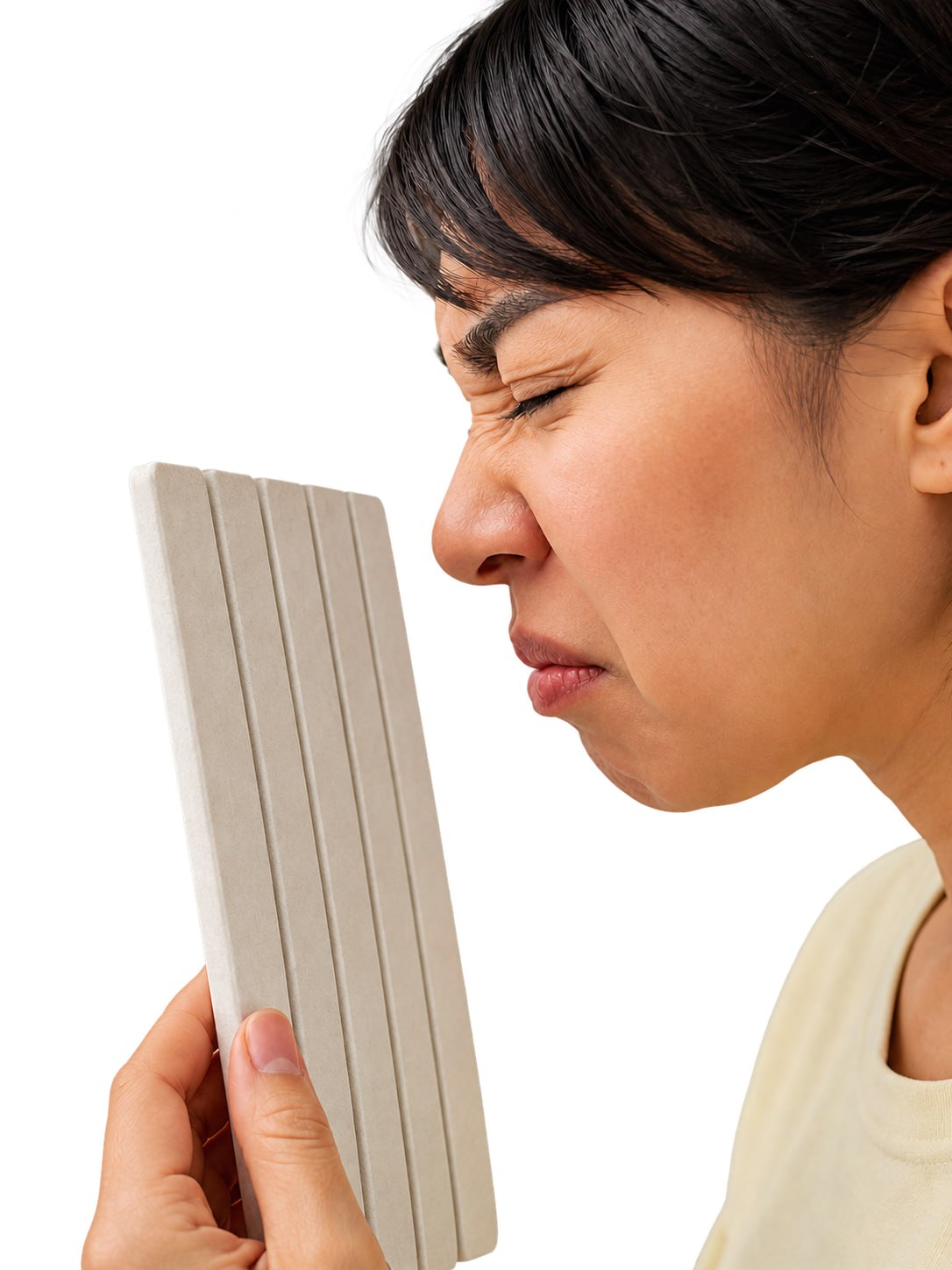
In its natural state, diatomaceous earth is a fine, powder-like material and cannot maintain a solid form on its own. To create a durable stone mat, the diatomite must be reinforced with fibers and binding materials.
Lower-cost products may use recycled paper or cardboard-based fibers, which can contribute to a noticeable chemical or litter-box-like odor when the product is new.
Our mats are made with carefully prepared wood fibers combined with 100% food-grade diatomaceous earth. This more refined material composition is designed to deliver a cleaner, more hygienic product with a neutral natural odor—reflecting a higher standard of material quality and everyday use.
Warping
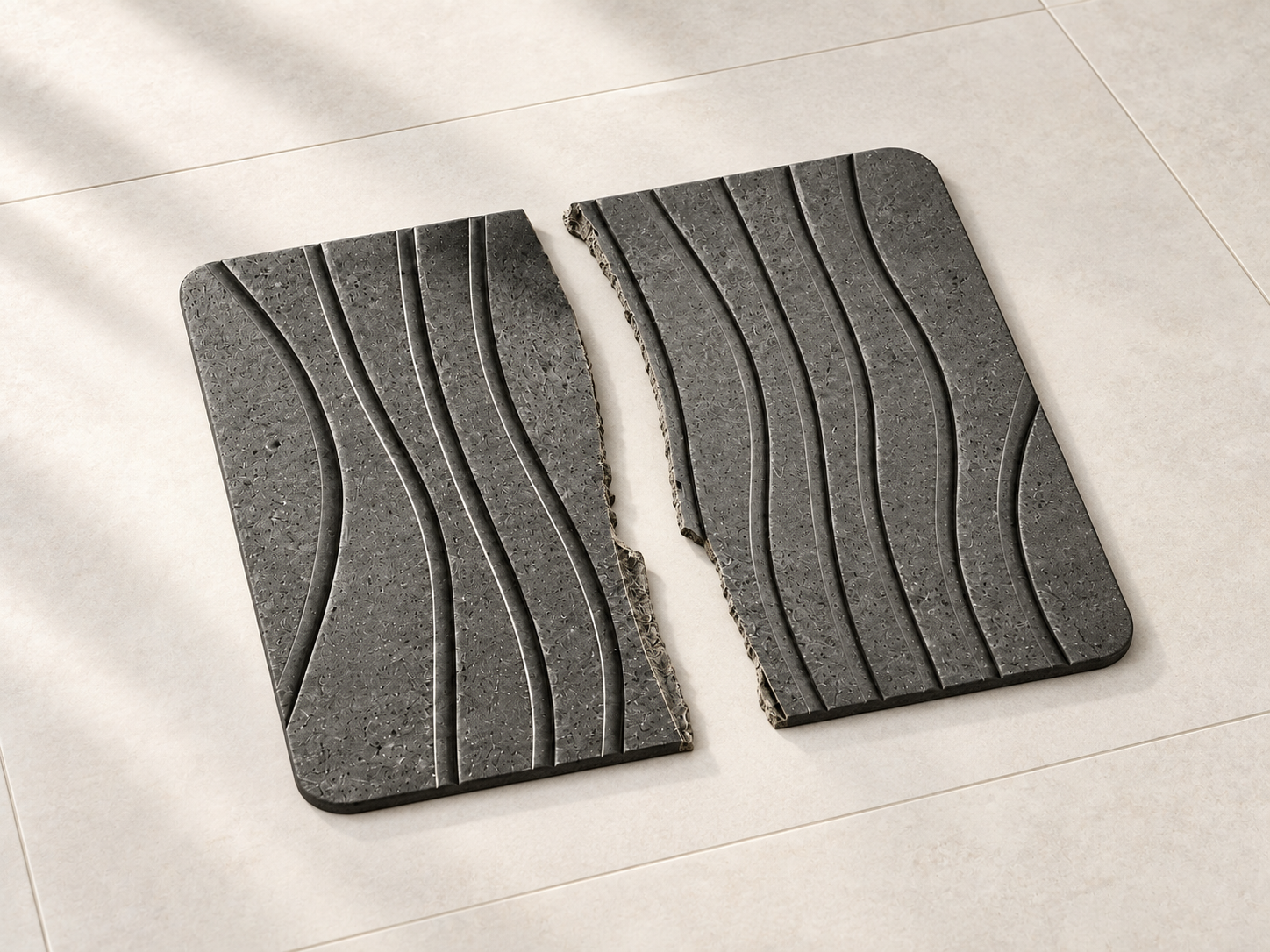
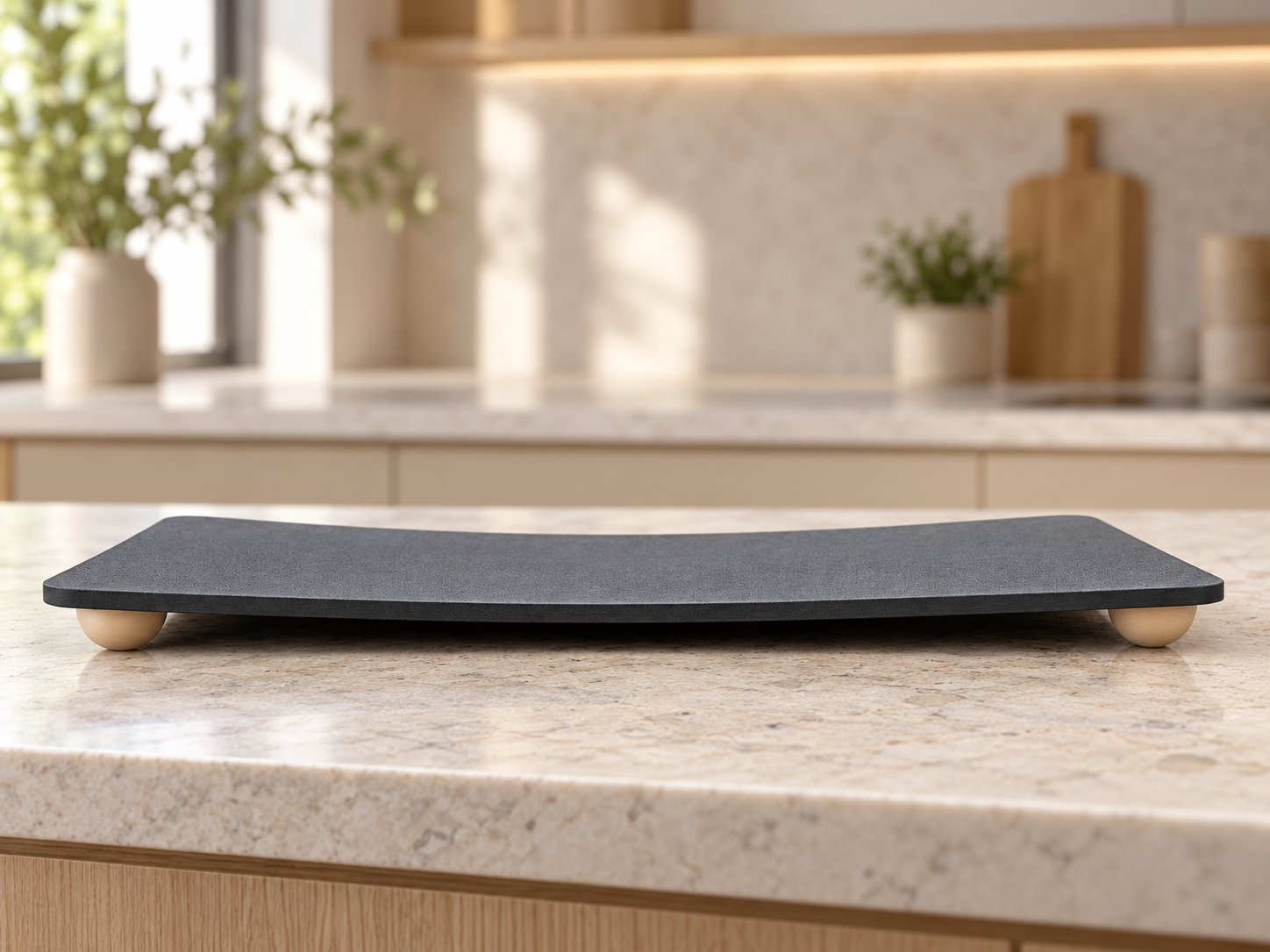
Natural fibers slightly expand when they absorb moisture and contract as they dry. If this cycle happens too quickly, the mat may develop a slight lift at the corners.
With DISH ISLAND mats, warping is rare and occurs in less than 1% of cases. Unlike stone mats that rest on only a few raised support points, the DISH ISLAND mat lies flat across its entire surface, distributing weight more evenly and naturally reducing the risk of sagging and deformation.
Avoid exposing an oversaturated mat to strong direct heat, such as radiators, heated floors, or direct sunlight.
Heat Insulation
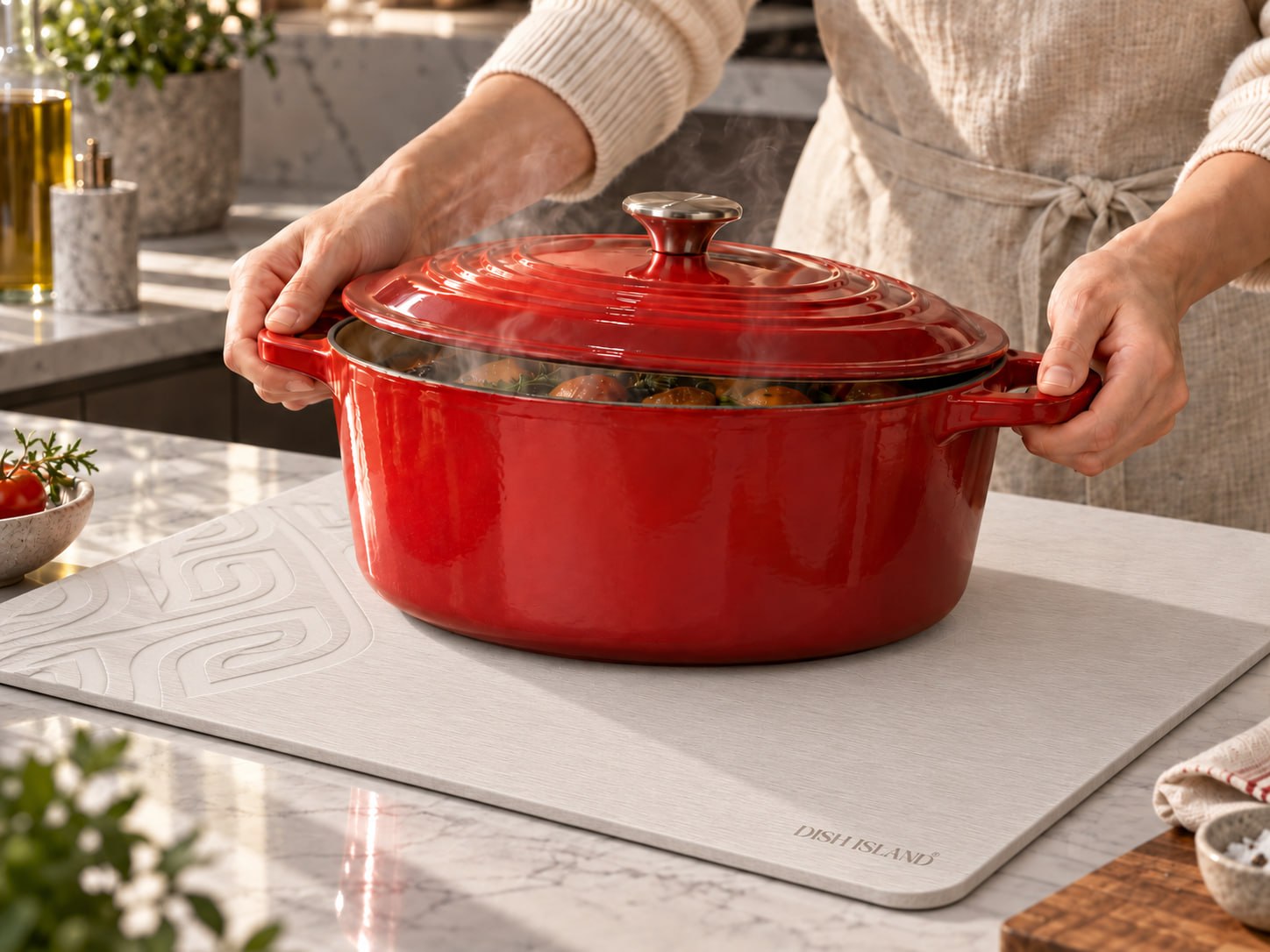
Approximately 50% of the material’s volume is made up of air held within its naturally porous structure. This gives diatomite inherent heat-insulating properties, allowing the mat to function as an elegant protective surface for hot pots and pans while helping shield kitchen countertops from heat marks and surface damage.
For best results, make sure the base of any hot cookware is clean and free from oil, grease, or food residue before placing it on the mat, as these substances may be absorbed into the porous surface and cause staining.
Reduced Absorbency
Diatomite absorbs moisture through millions of microscopic pores. Over time, traces of dish soap, food residue, and minerals—especially those found in hard water—can gradually build up within the surface and slow absorption.
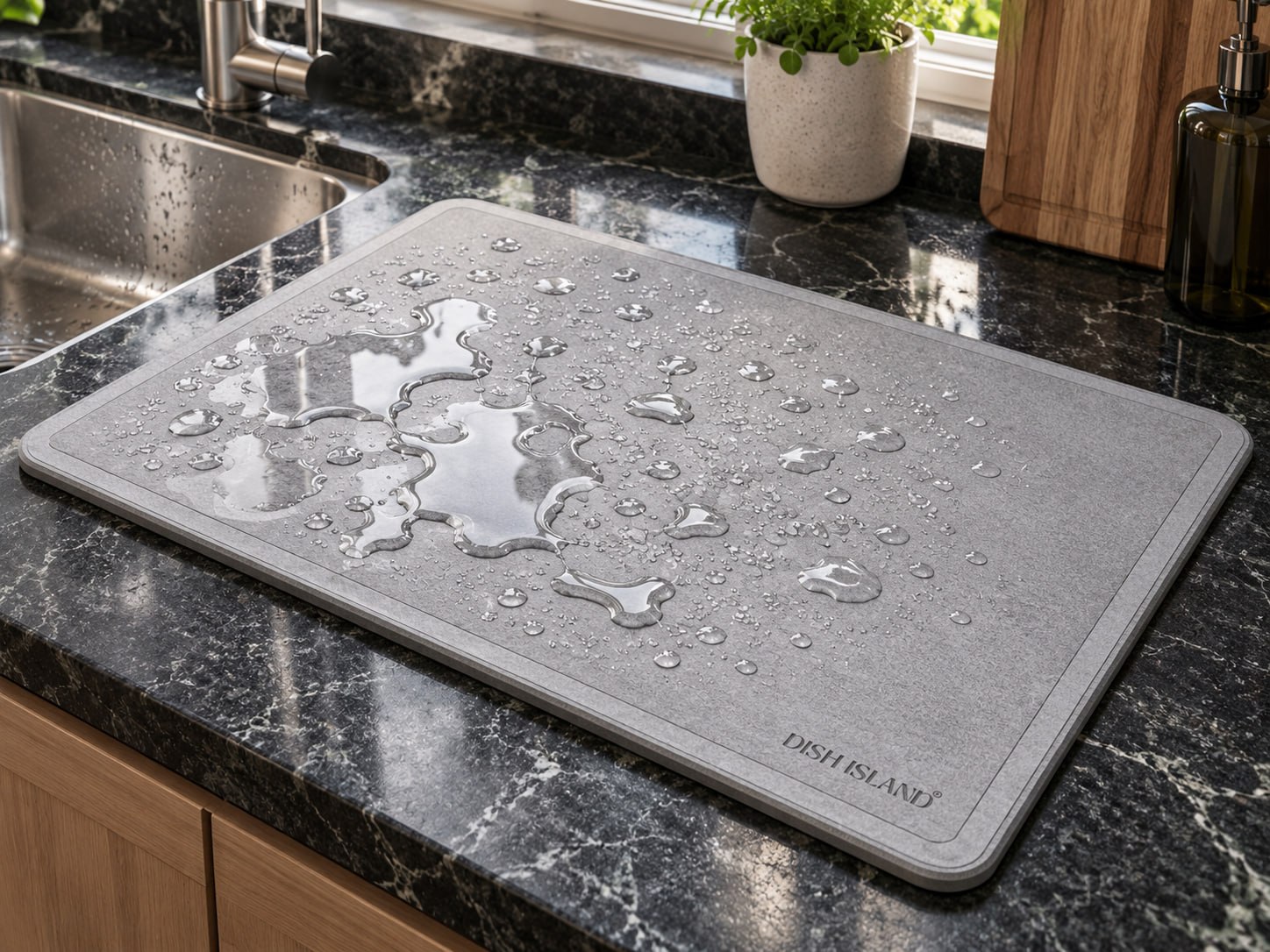
A whole-house or kitchen water softening system can help reduce mineral buildup, extend the time between deep cleanings, and minimize limescale on glass and metal surfaces.
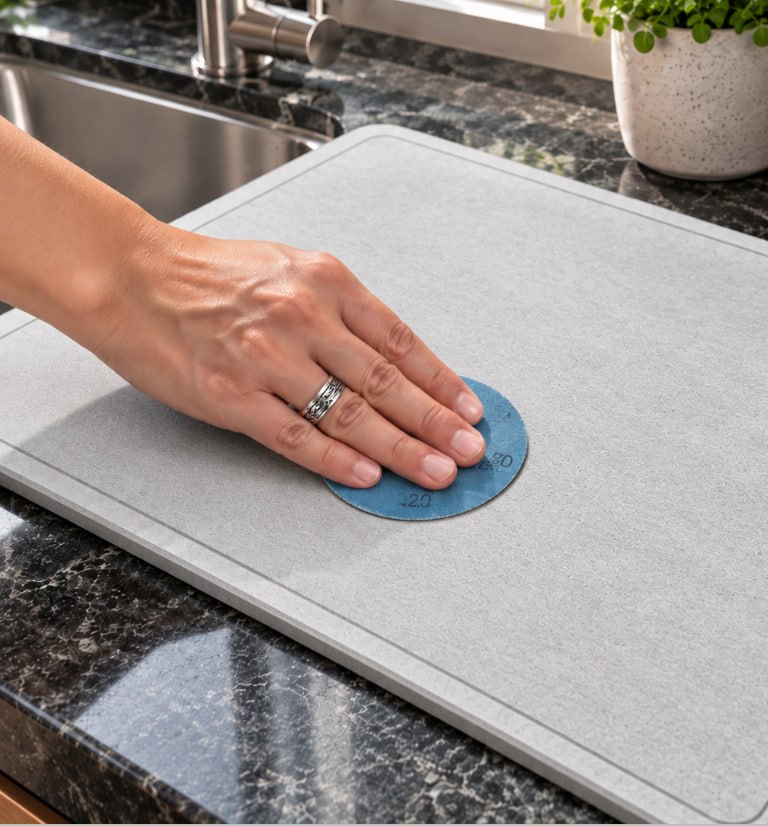
If absorbency decreases, gently sand the affected area with 320–400 grit sandpaper. Removing a very thin surface layer exposes fresh pores underneath and restores the mat’s natural absorbency.
Diatomite Dust & Safe Sanding
Like other fine mineral materials, loose diatomaceous earth dust should not be inhaled. In a finished DISH ISLAND mat, the mineral particles are securely bound within a solid, reinforced structure, so the mat does not release airborne diatomite dust during everyday use.
Fine surface dust may be generated during dry sanding. For safer, more controlled sanding, lightly wet the mat or sandpaper to help keep fine particles from becoming airborne. Once finished, rinse the surface thoroughly with clean water and allow it to dry naturally.
Frequently asked
I ordered a stone mat. Why doesn’t it feel like a piece of stone?


How to clean?
Will my mat develop an odor over time?
Can my stone drying mat grow mold?
Can I use both sides of the mat?
It says I can put hot pans on the mat. Can I really do that?
What are these small white dots \ marks on my mat and engraving? Is this normal?
Can I use the mat on any surface?
Can I put the mat in the dishwasher?
Can I soak the mat?
Can I use a high-pressure water cleaner?
Can I use bleach or harsh chemicals?
What if my mat gets stained?
My mat isn’t absorbing water as quickly as it did when it was new. What should I do?
How often should I sand my mat?
Does the mat need to dry completely between uses?
Is a stone drying mat fragile?
Does DISH ISLAND contain plastic?
How long will my DISH ISLAND mat last?
What makes DISH ISLAND different from other diatomite mats?
My brand-new mat arrived with a defect. What should I do?
Support & Care tips
Have a question? Feel free to check our FAQs
Full Care Guide
Understand the material, care for the surface, and keep your mat performing at its best.
Understanding the material is key to caring for it properly. We’ll also cover what many manufacturers leave out—common mistakes, what to avoid, and practical tips that can make a real difference in your mat’s performance and lifespan.
What Is Diatomaceous Earth?
A diatomite mat is a naturally absorbent drying surface made from diatomaceous earth—the fossilized remains of microscopic aquatic organisms. Millions of microscopic pores absorb moisture on contact and allow it to evaporate quickly, rather than remaining trapped in fabric or pooling on your countertop. This makes diatomite a clean, fast-drying, and low-maintenance alternative to traditional drying mats, helping keep your kitchen drier and more hygienic.
Quick Care Essentials
1
Wipe or rinse after use
2
Use mild soap when needed
3
Let the mat air-dry completely
4
Wet-sand only when necessary
How to Clean a Stone Drying Mat

1. Light Cleaning — Water & Cloth
Rinse the mat under running water and clean it using a sponge or soft brush together with mild, non-aggressive cleaning agents. For a deeper clean, lightly refresh the surface with fine-grit sandpaper.
2. Regular Cleaning — Mild Soap & Sponge
For more noticeable residue or buildup, apply a small drop of mild dish soap to a sponge and gently clean the surface. Rinse the mat thoroughly with clean water to remove any soap residue, then wipe it dry and allow it to air-dry completely.
3. Surface Refresh — Sandpaper
If the surface becomes noticeably less absorbent or develops persistent stains that regular cleaning cannot remove, lightly wet the mat surface or the sandpaper, then gently sand the affected area using 320–400 grit sandpaper.
Diatomite Stone Material Guidance & Properties
Drops & Impact
Diatomite is a highly porous material, with much of its structure consisting of tiny air spaces. Because of this, it can be more vulnerable to impact than conventional solid materials. Dropping the mat may cause dents, chips, surface deformation, or even breakage. Always handle it with care.
Stains
Diatomaceous earth is highly absorbent and can quickly absorb liquids that contain strong pigments. To help prevent staining, keep substances such as soy sauce, tomatoes, wine, coffee, soup, juice, turmeric, and other deeply colored liquids or foods away from the surface.
If staining does occur, gently sand away the affected upper layer until the surface appears clean and refreshed again.
New Product Odor
In its natural state, diatomaceous earth is a fine, powder-like material and cannot maintain a solid form on its own. To create a durable stone mat, the diatomite must be reinforced with fibers and binding materials.
Lower-cost products may use recycled paper or cardboard-based fibers, which can contribute to a noticeable chemical or litter-box-like odor when the product is new.
Our mats are made with carefully prepared wood fibers combined with 100% food-grade diatomaceous earth. This more refined material composition is designed to deliver a cleaner, more hygienic product with a neutral natural odor—reflecting a higher standard of material quality and everyday use.
Warping
Natural fibers slightly expand when they absorb moisture and contract as they dry. If this cycle happens too quickly, the mat may develop a slight lift at the corners.
With DISH ISLAND mats, warping is rare and occurs in less than 1% of cases. Unlike stone mats that rest on only a few raised support points, the DISH ISLAND mat lies flat across its entire surface, distributing weight more evenly and naturally reducing the risk of sagging and deformation.
Avoid exposing an oversaturated mat to strong direct heat, such as radiators, heated floors, or direct sunlight.
Heat Insulation
Approximately 50% of the material’s volume is made up of air held within its naturally porous structure. This gives diatomite inherent heat-insulating properties, allowing the mat to function as an elegant protective surface for hot pots and pans while helping shield kitchen countertops from heat marks and surface damage.
For best results, make sure the base of any hot cookware is clean and free from oil, grease, or food residue before placing it on the mat, as these substances may be absorbed into the porous surface and cause staining.
Reduced Absorbency
Diatomite absorbs moisture through millions of microscopic pores. Over time, traces of dish soap, food residue, and minerals—especially those found in hard water—can gradually build up within the surface and slow absorption.
A whole-house or kitchen water softening system can help reduce mineral buildup, extend the time between deep cleanings, and minimize limescale on glass and metal surfaces.
If absorbency decreases, gently sand the affected area with 320–400 grit sandpaper. Removing a very thin surface layer exposes fresh pores underneath and restores the mat’s natural absorbency.
Diatomite Dust & Safe Sanding
Like other fine mineral materials, loose diatomaceous earth dust should not be inhaled. In a finished DISH ISLAND mat, the mineral particles are securely bound within a solid, reinforced structure, so the mat does not release airborne diatomite dust during everyday use.
Fine surface dust may be generated during dry sanding. For safer, more controlled sanding, lightly wet the mat or sandpaper to help keep fine particles from becoming airborne. Once finished, rinse the surface thoroughly with clean water and allow it to dry naturally.
Frequently asked
I ordered a stone mat. Why doesn’t it feel like a piece of stone?

How to clean?
Will my mat develop an odor over time?
Can my stone drying mat grow mold?
Can I use both sides of the mat?
It says I can put hot pans on the mat. Can I really do that?
What are these small white dots \ marks on my mat and engraving? Is this normal?
Can I use the mat on any surface?
Can I put the mat in the dishwasher?
Can I soak the mat?
Can I use a high-pressure water cleaner?
Can I use bleach or harsh chemicals?
What if my mat gets stained?
My mat isn’t absorbing water as quickly as it did when it was new. What should I do?
How often should I sand my mat?
Does the mat need to dry completely between uses?
Is a stone drying mat fragile?
Does DISH ISLAND contain plastic?
How long will my DISH ISLAND mat last?
What makes DISH ISLAND different from other diatomite mats?
My brand-new mat arrived with a defect. What should I do?
Support & Care tips
Have a question? Feel free to check our FAQs
Full Care Guide
Understand the material, care for the surface, and keep your mat performing at its best.
Understanding the material is key to caring for it properly. We’ll also cover what many manufacturers leave out—common mistakes, what to avoid, and practical tips that can make a real difference in your mat’s performance and lifespan.
What Is Diatomaceous Earth?
A diatomite mat is a naturally absorbent drying surface made from diatomaceous earth—the fossilized remains of microscopic aquatic organisms. Millions of microscopic pores absorb moisture on contact and allow it to evaporate quickly, rather than remaining trapped in fabric or pooling on your countertop. This makes diatomite a clean, fast-drying, and low-maintenance alternative to traditional drying mats, helping keep your kitchen drier and more hygienic.
Quick Care Essentials
1
Wipe or rinse after use
2
Use mild soap when needed
3
Let the mat air-dry completely
4
Wet-sand only when necessary
How to Clean a Stone Drying Mat
1. Light Cleaning — Water & Cloth
Rinse the mat under running water and clean it using a sponge or soft brush together with mild, non-aggressive cleaning agents. For a deeper clean, lightly refresh the surface with fine-grit sandpaper.
2. Regular Cleaning — Mild Soap & Sponge
For more noticeable residue or buildup, apply a small drop of mild dish soap to a sponge and gently clean the surface. Rinse the mat thoroughly with clean water to remove any soap residue, then wipe it dry and allow it to air-dry completely.
3. Surface Refresh — Sandpaper
If the surface becomes noticeably less absorbent or develops persistent stains that regular cleaning cannot remove, lightly wet the mat surface or the sandpaper, then gently sand the affected area using 320–400 grit sandpaper.
Diatomite Stone Material Guidance & Properties
Drops & Impact
Diatomite is a highly porous material, with much of its structure consisting of tiny air spaces. Because of this, it can be more vulnerable to impact than conventional solid materials. Dropping the mat may cause dents, chips, surface deformation, or even breakage. Always handle it with care.
Stains
Diatomaceous earth is highly absorbent and can quickly absorb liquids that contain strong pigments. To help prevent staining, keep substances such as soy sauce, tomatoes, wine, coffee, soup, juice, turmeric, and other deeply colored liquids or foods away from the surface.
If staining does occur, gently sand away the affected upper layer until the surface appears clean and refreshed again.
New Product Odor
In its natural state, diatomaceous earth is a fine, powder-like material and cannot maintain a solid form on its own. To create a durable stone mat, the diatomite must be reinforced with fibers and binding materials.
Lower-cost products may use recycled paper or cardboard-based fibers, which can contribute to a noticeable chemical or litter-box-like odor when the product is new.
Our mats are made with carefully prepared wood fibers combined with 100% food-grade diatomaceous earth. This more refined material composition is designed to deliver a cleaner, more hygienic product with a neutral natural odor—reflecting a higher standard of material quality and everyday use.
Warping
Natural fibers slightly expand when they absorb moisture and contract as they dry. If this cycle happens too quickly, the mat may develop a slight lift at the corners.
With DISH ISLAND mats, warping is rare and occurs in less than 1% of cases. Unlike stone mats that rest on only a few raised support points, the DISH ISLAND mat lies flat across its entire surface, distributing weight more evenly and naturally reducing the risk of sagging and deformation.
Avoid exposing an oversaturated mat to strong direct heat, such as radiators, heated floors, or direct sunlight.
Heat Insulation
Approximately 50% of the material’s volume is made up of air held within its naturally porous structure. This gives diatomite inherent heat-insulating properties, allowing the mat to function as an elegant protective surface for hot pots and pans while helping shield kitchen countertops from heat marks and surface damage.
For best results, make sure the base of any hot cookware is clean and free from oil, grease, or food residue before placing it on the mat, as these substances may be absorbed into the porous surface and cause staining.
Reduced Absorbency
Diatomite absorbs moisture through millions of microscopic pores. Over time, traces of dish soap, food residue, and minerals—especially those found in hard water—can gradually build up within the surface and slow absorption.
A whole-house or kitchen water softening system can help reduce mineral buildup, extend the time between deep cleanings, and minimize limescale on glass and metal surfaces.
If absorbency decreases, gently sand the affected area with 320–400 grit sandpaper. Removing a very thin surface layer exposes fresh pores underneath and restores the mat’s natural absorbency.
Diatomite Dust & Safe Sanding
Like other fine mineral materials, loose diatomaceous earth dust should not be inhaled. In a finished DISH ISLAND mat, the mineral particles are securely bound within a solid, reinforced structure, so the mat does not release airborne diatomite dust during everyday use.
Fine surface dust may be generated during dry sanding. For safer, more controlled sanding, lightly wet the mat or sandpaper to help keep fine particles from becoming airborne. Once finished, rinse the surface thoroughly with clean water and allow it to dry naturally.
Frequently asked
I ordered a stone mat. Why doesn’t it feel like a piece of stone?

How to clean?
Will my mat develop an odor over time?
Can my stone drying mat grow mold?
Can I use both sides of the mat?
It says I can put hot pans on the mat. Can I really do that?
What are these small white dots \ marks on my mat and engraving? Is this normal?
Can I use the mat on any surface?
Can I put the mat in the dishwasher?
Can I soak the mat?
Can I use a high-pressure water cleaner?
Can I use bleach or harsh chemicals?
What if my mat gets stained?
My mat isn’t absorbing water as quickly as it did when it was new. What should I do?
How often should I sand my mat?
Does the mat need to dry completely between uses?
Is a stone drying mat fragile?
Does DISH ISLAND contain plastic?
How long will my DISH ISLAND mat last?
What makes DISH ISLAND different from other diatomite mats?
My brand-new mat arrived with a defect. What should I do?